February 10, 2026
The Best Way To Disinfect Your Home In Melbourne (Without Overdoing It)
If you have ever wondered how to disinfect your home properly without turning every clean into a chemical-heavy routine, you are not alone. Many Melbourne households want better hygiene, but they also want to avoid harsh products, unnecessary fumes, and the mistake of disinfecting everything all the time.
The best way to disinfect your home is usually a balanced one. Clean first, disinfect where it actually matters, and use products that suit the surface and the situation. That gives you a healthier home without wasting time or damaging finishes.
Start With Cleaning, Not Disinfecting
Disinfecting only works well on surfaces that are already clean. If a benchtop still has crumbs, grease, or sticky residue on it, the disinfectant is fighting through that layer instead of reaching the surface properly.
That is why the first step in any home disinfection routine is basic cleaning. Wipe away visible dirt, rinse where needed, and then apply the disinfectant. This matters especially in kitchens and bathrooms, where buildup is more likely to interfere with product performance.
For homes that feel like they need more than a quick surface reset, a proper deep cleaning service can make future hygiene routines much easier because you are not constantly working over old residue.
Focus on High-Touch Surfaces First
One of the biggest mistakes people make is trying to disinfect the whole house with the same level of intensity. In most homes, that is unnecessary. The smarter approach is to focus on the areas people touch repeatedly throughout the day.
That includes light switches, door handles, taps, toilet flush buttons, fridge handles, remote controls, and kitchen prep areas. These are the highest-value targets when you want to reduce everyday germs without overdoing it.
If someone in the house has been sick, you can increase the frequency of disinfecting these high-touch areas rather than trying to treat every single surface equally.
Use the Right Disinfectant for the Room
Not every disinfectant belongs everywhere. Food preparation surfaces, bathroom fixtures, electronics, and sealed stone all have different needs. The safest home disinfection routine is the one that matches the product to the room.
Kitchen Priorities
In kitchens, focus on benches, appliance handles, taps, and dining surfaces. If you are using a disinfectant around food prep zones, always check whether it needs rinsing after use. Food-safe instructions matter more here than raw strength.
Bathroom Priorities
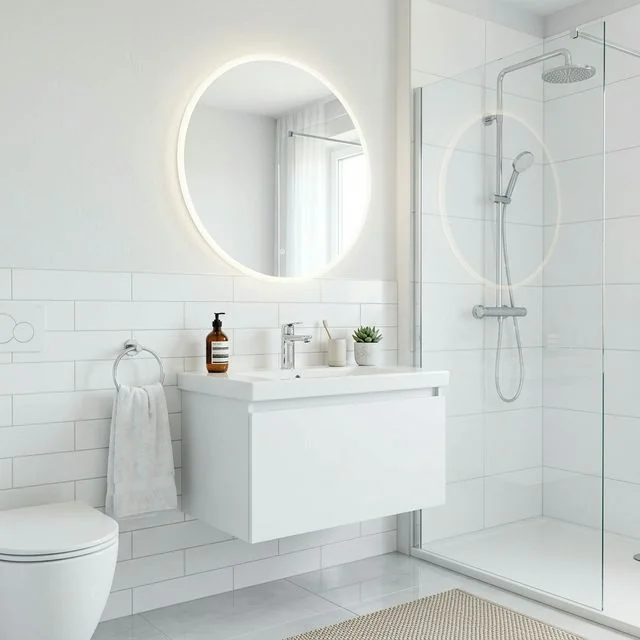
Bathrooms usually need more regular disinfecting because moisture and shared touchpoints create a different hygiene profile. Toilets, taps, vanity handles, and shower-adjacent surfaces are the obvious places to focus.
If your bathroom also has recurring soap scum or mould, it helps to separate hygiene from buildup removal. Our guide to bathroom cleaning in Melbourne explains how to handle both properly.
Give Disinfectants Enough Contact Time
Many people spray and wipe immediately, but most disinfectants need dwell time to work. That means leaving the product on the surface for the label-recommended period before wiping or allowing it to air dry.
This is one of the simplest ways to improve your results without changing products at all. If you are disinfecting correctly but too quickly, you may be doing the work without getting the full hygiene benefit.
It is also a reminder that stronger is not always better. A correctly used mild product often outperforms an aggressive one used badly.
Do Not Over-Disinfect What Only Needs Cleaning
There is a real difference between a clean home and a sterile one. For most families, daily full-house disinfection is unnecessary and can even create new problems such as surface wear, skin irritation, or overexposure to strong fragrances and chemicals.
Bedrooms, decorative furniture, and low-touch areas often just need regular cleaning and dust removal, not constant disinfection. That is especially true if your goal is maintaining a healthy, realistic routine rather than reacting to illness.
If you prefer gentler options overall, it is worth comparing standard disinfecting with lower-toxicity product strategies discussed in our article on eco-friendly cleaning products that actually work.
A Room-by-Room Approach That Works in Real Homes
The best disinfect home Melbourne routine is practical enough to repeat. A simple structure usually works better than an all-or-nothing mindset:
- Kitchen: clean benches, disinfect prep zones and handles.
- Bathroom: disinfect toilet touchpoints, taps, and vanity surfaces.
- Entry and living areas: focus on switches, remotes, and door hardware.
- Bedrooms: clean regularly, disinfect only when illness or higher exposure justifies it.
This kind of targeted system is much easier to keep up than trying to sanitise every surface in the house on every cleaning day.
When Professional Help Makes Sense
If your home needs a more thorough hygiene reset, professional support can save time and improve consistency. This is especially useful after illness, during busy family periods, or when your normal cleaning routine has fallen behind and surfaces need more than a quick pass.
Maid at Home offers practical support for Melbourne households that want their home to feel genuinely fresh, not just sprayed. Depending on the situation, that may mean a deeper reset through deep cleaning or ongoing help through a standard cleaning service that keeps the basics under control.
Frequently Asked Questions
What Is the Best Way to Disinfect Your Home?
Start by cleaning the surface first, then disinfect high-touch points using the correct product and enough contact time. For most homes, targeted disinfecting works better than trying to disinfect everything constantly.
Do I Need to Disinfect My Whole House Every Day?
No. In most cases, daily full-house disinfection is not necessary. Focus on high-touch surfaces and areas that are more exposed to moisture, food handling, or illness.
What Is the Difference Between Cleaning and Disinfecting?
Cleaning removes dirt and residue. Disinfecting is a separate step that helps reduce germs on a cleaned surface. If the surface is still dirty, the disinfectant is less effective.